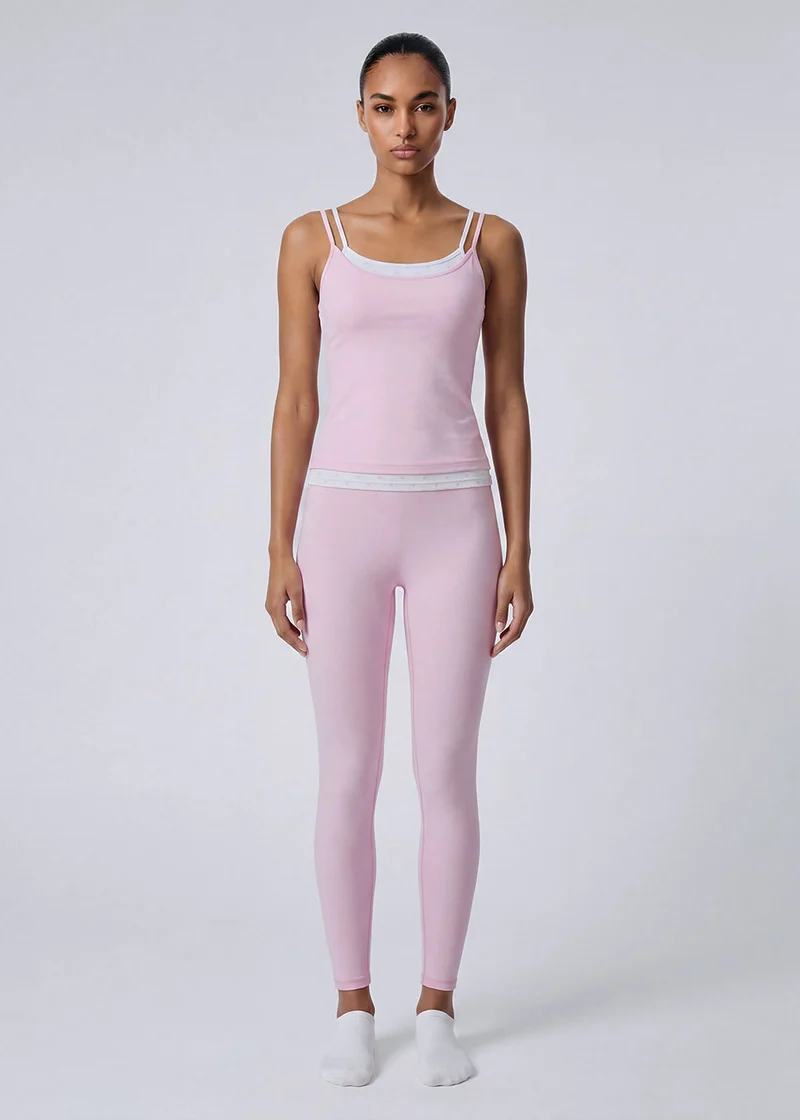
Choosing the right pilates outfit can make your workout more comfortable and enjoyable. Pilates involves controlled movements, stretching, balance, and core exercises. Your clothing should allow your body to move freely without creating distractions.
The best Pilates clothes are usually comfortable, flexible, breathable, and secure. You want clothing that stays in place while you bend, stretch, roll, and move through different exercises.
Whether you are new to Pilates or already attend regular classes, choosing suitable workout clothing can improve your overall experience. This guide explains what to wear, which materials work well, and how to choose outfits for different Pilates sessions.
What Is a Pilates Outfit?
A Pilates outfit is clothing designed or selected for Pilates workouts. It normally includes a fitted or comfortable top paired with leggings, shorts, or flexible workout pants.
Pilates requires a wide range of movements. Loose clothing can sometimes move around during exercises, while extremely tight clothing may feel restrictive.
A good outfit should provide freedom of movement while allowing you to stay comfortable throughout the session.
Many people choose fitted athletic clothing because it makes movement easier to see and helps instructors observe body alignment during classes.
Why Choosing the Right Pilates Clothes Matters
Pilates focuses on controlled movement and body awareness. Clothing that constantly shifts can become distracting.
Comfort is also important during exercises performed on a mat or reformer. Rough seams, stiff materials, or uncomfortable waistbands can make certain movements less enjoyable.
Breathable materials can help manage sweat during longer or more intense sessions. Stretchy fabrics allow the body to move naturally during exercises.
The right outfit does not need to be expensive. Fit, comfort, and fabric are usually more important than brand names.
Best Tops for Pilates
A suitable Pilates top should allow the shoulders and arms to move freely.
Fitted tank tops, athletic T-shirts, and supportive workout tops are popular choices. A fitted top can stay in place when you lie down or perform movements that involve bending.
Sports bras can also work well, especially for people who prefer minimal layers. The appropriate support level depends on the intensity of the session and personal comfort.
Avoid tops that are so loose that they fall toward your face during floor exercises.
Choosing the Right Pilates Leggings
Leggings are one of the most popular choices for Pilates. They provide flexibility while staying close to the body.
High-waisted leggings can offer comfortable coverage during stretching and bending. Look for fabrics with good stretch and recovery so the leggings move with you.
The waistband should feel secure without digging into your skin.
It is also useful to check whether the fabric becomes transparent when stretched. A squat or stretch test can help you determine whether the material provides enough coverage.
Can You Wear Shorts for Pilates?
Yes, shorts can be a comfortable option for Pilates.
Choose shorts made from flexible athletic fabric. A secure waistband can help keep them in place during floor exercises.
Longer shorts may provide additional coverage during stretching and movement. Some people also prefer fitted cycling-style shorts because they stay closer to the body.
The best length depends on personal preference and the type of Pilates class.
Best Fabrics for Pilates Clothing
Fabric can make a major difference in comfort.
Stretch materials such as nylon, polyester, and elastane blends are commonly used in activewear. They can provide flexibility while helping garments maintain their shape.
Moisture-wicking materials may be useful during workouts where you sweat more.
Soft fabrics can also improve comfort during floor-based exercises.
When choosing a pilates outfit, consider the fabric’s stretch, breathability, softness, durability, and care requirements.
Pilates Outfits for Beginners
Beginners do not need a special wardrobe. Start with comfortable workout clothing that allows unrestricted movement.
A simple combination could include a fitted tank top and stretchy leggings. A lightweight T-shirt can also work well.
Avoid wearing jeans, stiff trousers, or clothing with large buttons and hard accessories. These can make floor exercises uncomfortable.
As you become more familiar with Pilates, you can identify the fabrics, fits, and styles that work best for you.
Pilates Outfits for Reformer Classes
Reformer Pilates involves equipment with moving parts, springs, straps, and a sliding carriage. Clothing that stays close to the body is often practical.
Fitted leggings and tops can reduce the chance of loose fabric getting in the way.
Avoid garments with large zippers, buckles, or bulky decorations that may become uncomfortable against the equipment.
Grip socks may also be required or recommended by some studios for hygiene and traction.
Always check the studio’s clothing requirements before attending your first class.
What to Wear for Hot Pilates
Hot Pilates takes place in a warm environment, so breathable clothing can be particularly useful.
A lightweight sports bra, tank top, shorts, or breathable leggings may work well depending on personal preference.
Moisture-wicking fabrics can help move sweat away from the skin.
Bring a towel and enough water for your session. After class, change out of wet clothing when possible to remain comfortable.
How to Choose the Right Fit
Fit is one of the most important factors when selecting Pilates clothing.
Your outfit should feel secure but not restrictive. You should be able to stretch your arms, bend your knees, rotate your torso, and move your hips without resistance.
Check the waistband when sitting, bending, and lying down. It should remain comfortable and stay in place.
Tops should also remain secure during overhead movements and floor exercises.
If you constantly need to adjust your clothing, it may not be the right fit for your workout.
Colors and Styles for Pilates Clothing
Pilates clothing comes in many colors and designs. Neutral shades such as black, gray, navy, and beige are easy to combine.
Bright colors and patterns can add personality to your workout wardrobe.
Style is ultimately a personal choice. Choose clothing that makes you feel comfortable and confident.
A small collection of versatile tops and bottoms can provide plenty of outfit combinations without requiring a large wardrobe.
Pilates Accessories to Consider
A few accessories can make your workout more convenient.
Grip socks can provide traction on studio floors and reformer equipment. A lightweight towel can help manage sweat.
A water bottle is useful for staying hydrated. A small workout bag can carry your clothes and personal items.
Hair ties and headbands may also help keep hair away from your face during class.
Common Pilates Outfit Mistakes
One common mistake is wearing clothing that is too loose. Loose fabric can shift during floor exercises.
Another mistake is choosing stiff materials that restrict movement.
An uncomfortable waistband can also become distracting during exercises.
Some people focus heavily on appearance while forgetting practical factors such as stretch and breathability.
The goal should be to find an outfit that supports movement and comfort first.
How to Care for Pilates Clothes
Proper care can help activewear last longer.
Check the garment’s washing instructions before cleaning it. Many athletic fabrics benefit from gentle washing and avoiding excessive heat.
Do not leave sweaty clothes inside a closed gym bag for long periods. Wash them promptly to help prevent unpleasant odors.
Avoid using products that may damage stretch fibers unless they are specifically recommended for the fabric.
Proper storage also helps maintain the shape and condition of your workout clothes.
Frequently Asked Questions
What should I wear to Pilates?
A comfortable fitted top with stretchy leggings or shorts is a simple choice. Select clothing that allows unrestricted movement.
Are leggings good for Pilates?
Yes. Stretchy leggings are popular because they provide flexibility and generally stay in place during different exercises.
Can I wear loose clothes to Pilates?
You can, but very loose clothing may shift during floor exercises. More fitted clothing is often practical.
Do I need special Pilates clothes?
No. You do not need expensive or specialized clothing. Comfortable athletic wear can work well.
Are grip socks necessary?
Some studios require or recommend grip socks, especially for reformer classes. Check the studio’s rules before attending.
What fabric is best for Pilates?
Stretchy, breathable, and comfortable fabrics are generally useful. Nylon, polyester, and elastane blends are common choices in activewear.
Final Thoughts
Choosing the right pilates outfit is mainly about comfort, flexibility, and freedom of movement. You do not need a complicated wardrobe to enjoy Pilates.
Start with breathable tops, flexible leggings or shorts, and clothing that stays securely in place. Consider the specific class too, since reformer and hot Pilates sessions may have different needs.
Most importantly, choose clothes that allow you to focus on your movements instead of adjusting your outfit. A comfortable outfit can help make every Pilates session feel easier and more enjoyable.