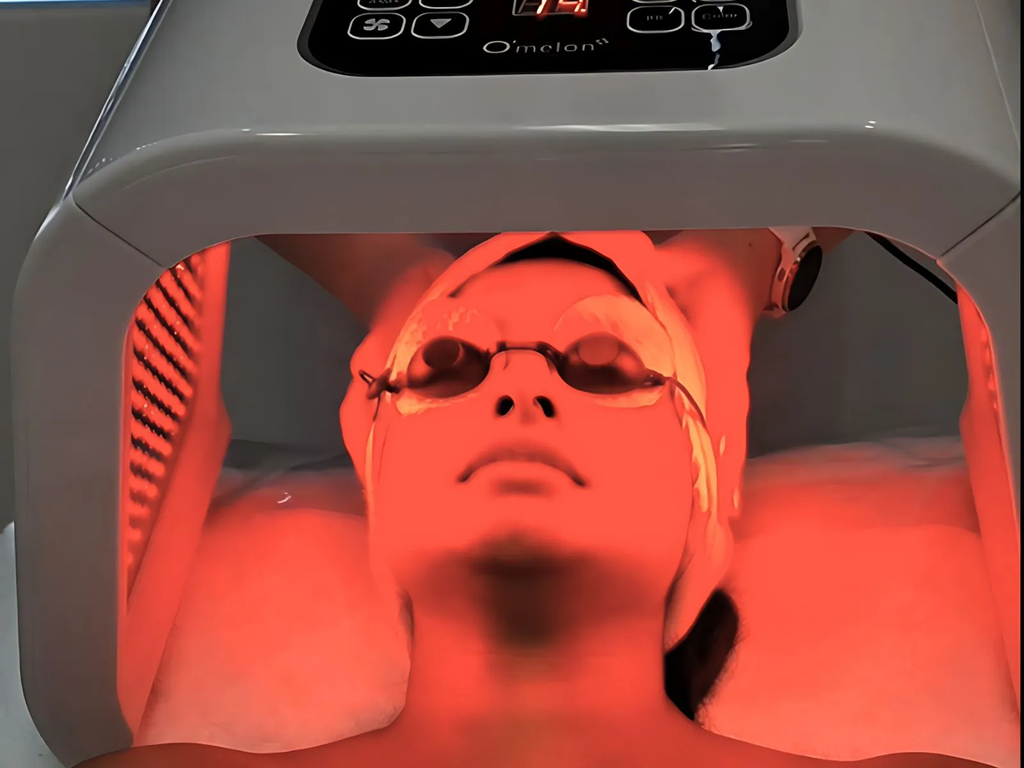
A PDT machine is a medical and aesthetic technology used to perform photodynamic therapy (PDT), a treatment that combines a light source with a photosensitizing substance to target specific cells or tissues. PDT machines are used in dermatology, oncology, and aesthetic treatments, depending on the type of equipment and photosensitizer being used. The technology has gained attention because it can provide targeted treatment while minimizing damage to surrounding healthy tissue.
For clinics and medical professionals, understanding how a PDT machine works, its applications, benefits, and important considerations can help in selecting suitable equipment and providing appropriate treatments.
What Is a PDT Machine?
A PDT machine, or photodynamic therapy machine, is a device that delivers a specific wavelength of light required to activate a photosensitizing agent. During PDT, a photosensitizer is applied to the skin or administered according to the treatment protocol. After the substance accumulates in the target area, the machine delivers controlled light energy.
The interaction between the light and photosensitizer produces reactive oxygen species that can damage targeted abnormal cells. The exact process, wavelength, treatment time, and photosensitizer vary depending on the medical application.
Modern PDT machines are designed to provide controlled and consistent light delivery. Some systems use LED technology, while others may use lasers or specialized light sources.
How Does a PDT Machine Work?
Photodynamic therapy generally involves three main components: a photosensitizer, an appropriate light source, and oxygen.
First, the healthcare professional applies or administers a photosensitizing agent. The agent is allowed to reach the target tissue for a specified period. Next, the PDT machine delivers light at the wavelength needed to activate the photosensitizer.
Once activated, the photosensitizer participates in a photochemical reaction that generates reactive oxygen species. These substances can affect targeted cells and microorganisms, depending on the treatment.
Because PDT depends on specific light wavelengths and treatment parameters, professional assessment and proper equipment settings are essential.
Common Applications of PDT Machines
PDT technology has several medical and dermatological applications. One of the most recognized uses is in dermatology, where PDT may be used for certain precancerous skin lesions and selected skin conditions.
In aesthetic and dermatological settings, PDT can also be used as part of treatment protocols for conditions such as acne and some forms of sun-damaged skin. The suitability of PDT depends on the patient’s condition, skin type, photosensitizer, and clinical protocol.
In oncology, photodynamic therapy can be used for certain cancers and precancerous conditions. Its use depends on the type and location of the disease and the availability of an appropriate photosensitizer and light-delivery system.
PDT Machine for Dermatology
Dermatology is an important area where PDT machines are used. Depending on the protocol, treatment may involve applying a photosensitizing medication to the skin and then exposing the treatment area to a specific light source.
Dermatologists may use PDT for selected actinic keratoses and other appropriate skin conditions. Some aesthetic clinics also offer light-based PDT procedures for acne and skin rejuvenation under suitable professional supervision.
The machine’s wavelength, intensity, coverage area, and treatment duration are important factors because different photosensitizers require different activation conditions.
Benefits of Using a PDT Machine
One of the key characteristics of PDT is its ability to target selected tissue through the combination of a photosensitizer and light. This can provide a localized treatment approach.
Other potential benefits include:
- Controlled and targeted light delivery
- Non-surgical treatment in appropriate applications
- Adjustable treatment parameters
- Different applicators and treatment areas depending on the device
- Potential use in dermatology and other medical fields
- Integration into professional clinical treatment protocols
The benefits vary significantly according to the medical indication and PDT system being used. PDT is not appropriate for every patient or condition.
Types of PDT Machines
Different types of PDT equipment are available for clinical use. LED-based systems are commonly designed to deliver controlled wavelengths over a relatively broad treatment area. Laser-based systems can provide highly controlled light delivery and may be used for specific applications.
Some PDT machines are portable and designed for smaller treatment areas, while larger systems may be intended for clinics treating multiple areas.
When comparing equipment, healthcare providers should consider wavelength options, energy output, treatment-area coverage, cooling systems, controls, safety features, and compatibility with the intended photosensitizer and treatment protocol.
How to Choose a PDT Machine
Choosing a PDT machine requires more than comparing price and appearance. The machine should be appropriate for the intended medical or dermatological application.
Important factors include:
- Light wavelength: The wavelength should correspond to the requirements of the intended photosensitizer and treatment.
- Energy control: Accurate control of light intensity and treatment duration is important.
- Treatment area: Consider whether the machine is intended for small, medium, or larger areas.
- Safety features: Look for appropriate protection and operational controls.
- Ease of operation: Clear controls can make clinical workflows easier.
- Manufacturer support: Training, maintenance, warranty, and technical support are important considerations.
- Regulatory status: Equipment should meet the applicable regulatory requirements in the country where it will be used.
PDT Machine Safety Considerations
PDT should be performed by appropriately trained healthcare professionals. Patients can experience photosensitivity following treatment because of the photosensitizing agent. Depending on the treatment, temporary redness, swelling, discomfort, peeling, or other skin reactions may occur.
Eye protection may also be necessary when using certain light sources. Operators should follow the manufacturer’s instructions, clinical guidelines, and the treatment protocol associated with the photosensitizer.
Before treatment, patients should receive appropriate assessment and instructions regarding light exposure and aftercare.
PDT Machine Maintenance
Regular maintenance helps ensure that a PDT machine continues to operate consistently. Clinics should follow the manufacturer’s recommended maintenance schedule and inspect components such as light sources, cables, applicators, cooling systems, and control panels.
Calibration may also be necessary for equipment where accurate energy delivery is clinically important. Keeping maintenance records and arranging professional servicing when required can help support reliable operation.
PDT Machine Cost
The price of a PDT machine can vary considerably depending on its technology, light source, wavelength options, treatment area, brand, features, and regulatory requirements.
Lower-cost systems may offer basic functionality, while advanced clinical equipment may include multiple wavelengths, larger treatment areas, sophisticated controls, and additional safety features.
Instead of choosing equipment solely based on purchase price, clinics should consider the total cost of ownership, including installation, training, maintenance, replacement components, and after-sales support.
Conclusion
A PDT machine is an important light-based technology used in photodynamic therapy. By activating a photosensitizing agent with controlled light, PDT can provide a targeted treatment approach for selected medical and dermatological applications.
For clinics considering PDT equipment, factors such as wavelength, energy control, safety, treatment area, manufacturer support, maintenance, and regulatory compliance should be carefully evaluated. Professional training and appropriate patient assessment are equally important.
As light-based medical technologies continue to develop, PDT machines may remain a useful option for healthcare professionals seeking controlled photodynamic treatment solutions for suitable clinical applications.