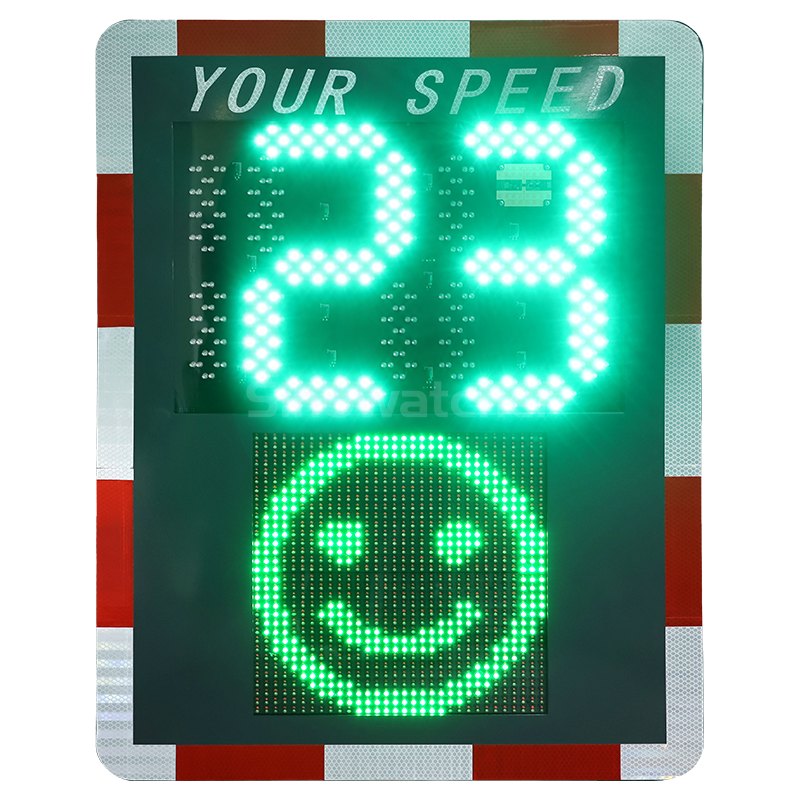
A traffic signal company plays an important role in modern road safety and traffic management. These companies design, manufacture, install, and maintain traffic control systems for cities, highways, intersections, and private developments. Reliable traffic signals help drivers, cyclists, pedestrians, and public transport move safely through busy roads.
Modern traffic signal systems are no longer limited to simple red, yellow, and green lights. They can include LED signals, pedestrian crossings, countdown timers, intelligent controllers, sensors, cameras, and connected traffic management technology. Choosing the right company can therefore make a major difference in safety, efficiency, and long-term operating costs.
What Is a Traffic Signal Company?
A traffic signal company provides equipment and services for controlling road traffic. Its work can cover product design, manufacturing, system planning, installation, testing, and maintenance.
Companies in this industry may supply traffic lights, controllers, poles, pedestrian signals, LED modules, detection systems, timers, and communication equipment. Some also develop complete traffic management solutions for large transportation projects.
A professional provider should understand road conditions, traffic patterns, safety requirements, and local regulations. This knowledge helps create systems that work reliably in real-world environments.
Why Are Traffic Signals Important?
Traffic signals organize the movement of vehicles and pedestrians at intersections. Without proper signals, busy roads can become confusing and dangerous.
Red, yellow, and green lights provide clear instructions to road users. Proper signal timing can also reduce unnecessary delays and improve traffic flow.
Traffic signals are especially important at large intersections, school zones, highways, pedestrian crossings, and areas with heavy vehicle movement. Well-designed systems can support safer and more predictable transportation.
Types of Traffic Signal Systems
A traffic signal company may provide several types of signal systems. Standard vehicle signals are the most common option for road intersections.
Pedestrian signals help people cross roads safely. Countdown signals show the remaining crossing time.
There are also flashing warning signals, lane control signals, bicycle signals, and specialized signals for public transportation. The correct system depends on the road design and traffic requirements.
LED Traffic Signal Technology
LED technology has become widely used in modern traffic signals. LED lights can provide strong visibility while using less electricity than many traditional lighting technologies.
They can also offer long operating life and consistent brightness. This can reduce maintenance requirements when compared with older signal technologies.
A quality traffic signal company can provide LED signal heads in different sizes and configurations. Products may also be designed for different weather and environmental conditions.
Intelligent Traffic Signal Systems
Modern cities increasingly use intelligent traffic management technology. These systems can collect information about traffic and adjust signal timing based on road conditions.
Sensors and cameras may detect vehicle volumes, queues, or pedestrian activity. Controllers can then use this information to coordinate signals.
Connected traffic systems can also allow traffic operators to monitor intersections from a central location. This approach can help transportation departments respond more quickly to changing traffic conditions.
Pedestrian Traffic Signals
Pedestrian safety is a major part of intersection design. Pedestrian signals provide clear information about when people can cross.
Many modern systems include visual symbols and countdown timers. Audible features can also assist people with visual impairments.
A reliable traffic signal company should offer pedestrian equipment that works smoothly with vehicle signals. Proper placement and timing are important for creating safer crossings.
Traffic Signal Controllers
The controller is one of the most important parts of a traffic signal system. It manages when individual lights turn on and off.
Modern controllers can support multiple timing plans and coordinated intersections. Some systems can also communicate with central traffic management software.
Good controller design helps traffic signals operate consistently. Backup systems and protective equipment can further improve reliability during power or equipment problems.
Traffic Signal Poles and Equipment
Traffic signals require more than light units. A complete installation can include poles, brackets, cabinets, wiring, cables, controllers, signs, and communication equipment.
Signal poles must be properly selected for the installation environment. Their size and structure depend on signal configuration, road width, wind conditions, and other project requirements.
A professional supplier can help ensure that different components work together as one complete system.
Installation and Testing Services
Proper installation is essential for traffic signal performance. Even high-quality equipment may fail to perform correctly if installation is poorly planned.
Installation teams typically position poles, mount signal heads, connect wiring, install controllers, and configure timing systems. The system should then be tested before becoming fully operational.
Testing can include signal visibility, timing, communication, pedestrian operation, power systems, and controller functions. Proper commissioning helps identify problems before they affect road users.
Traffic Signal Maintenance
Regular maintenance keeps traffic signals working safely. Dust, moisture, electrical problems, damaged wiring, and physical impacts can affect equipment over time.
Maintenance services may include inspections, LED replacement, controller checks, wiring repairs, cabinet maintenance, and cleaning.
Preventive maintenance can help identify small problems before they become major failures. This can reduce downtime and support reliable traffic management.
Benefits of Working With a Professional Company
Working with an experienced traffic signal company can provide several benefits. Professional providers can help select suitable equipment for a project’s requirements.
They can also support installation, testing, and long-term maintenance. This creates a more complete approach than simply purchasing traffic lights.
Another benefit is system compatibility. Traffic signals, controllers, sensors, and communication equipment need to work together correctly.
How to Choose a Traffic Signal Company
Several factors should be considered when selecting a traffic signal provider. Start by checking the company’s experience with similar projects.
Review its product range, technical capabilities, installation services, and maintenance support. Product quality is also important because traffic signals may operate continuously in challenging outdoor environments.
It is useful to ask about warranties, replacement parts, technical support, and system upgrades. Clear documentation and professional communication can also make project management easier.
Factors That Affect Traffic Signal Costs
Traffic signal costs depend on the size and complexity of a project. A basic intersection requires fewer components than a large intelligent traffic management system.
Costs may include signal heads, LED modules, controllers, poles, cabinets, sensors, wiring, installation, testing, and software.
Environmental conditions and customization can also affect the final price. Buyers should consider total ownership costs rather than focusing only on the initial equipment price.
Common Applications of Traffic Signals
Traffic signals are used in many transportation environments. Common applications include urban intersections, highways, pedestrian crossings, school areas, parking facilities, industrial sites, and private developments.
They can also support smart-city transportation networks. In large cities, multiple intersections may be connected to centralized traffic management platforms.
Frequently Asked Questions
What does a traffic signal company provide?
A traffic signal company may provide traffic lights, controllers, poles, pedestrian systems, sensors, installation, testing, and maintenance services.
Why are LED traffic signals popular?
LED signals offer strong visibility, efficient power consumption, and long operating life. They can also reduce maintenance needs.
What is a traffic signal controller?
A controller manages signal timing and coordinates different traffic movements at an intersection.
Do traffic signals require regular maintenance?
Yes. Regular inspections can help identify electrical, mechanical, visibility, and communication problems.
How much does a traffic signal system cost?
The cost varies according to equipment, intersection size, installation requirements, technology, and customization.
How can I choose the right traffic signal company?
Compare experience, product quality, technical support, installation capabilities, warranties, maintenance services, and project requirements.
Final Thoughts
A reliable traffic signal company can provide much more than traffic lights. Modern providers support complete traffic control systems that combine signals, controllers, pedestrian equipment, sensors, and communication technology.
For any road project, equipment quality, correct installation, testing, and maintenance are essential. By evaluating these factors carefully, transportation planners and property developers can select a solution designed for safe, efficient, and dependable traffic management.