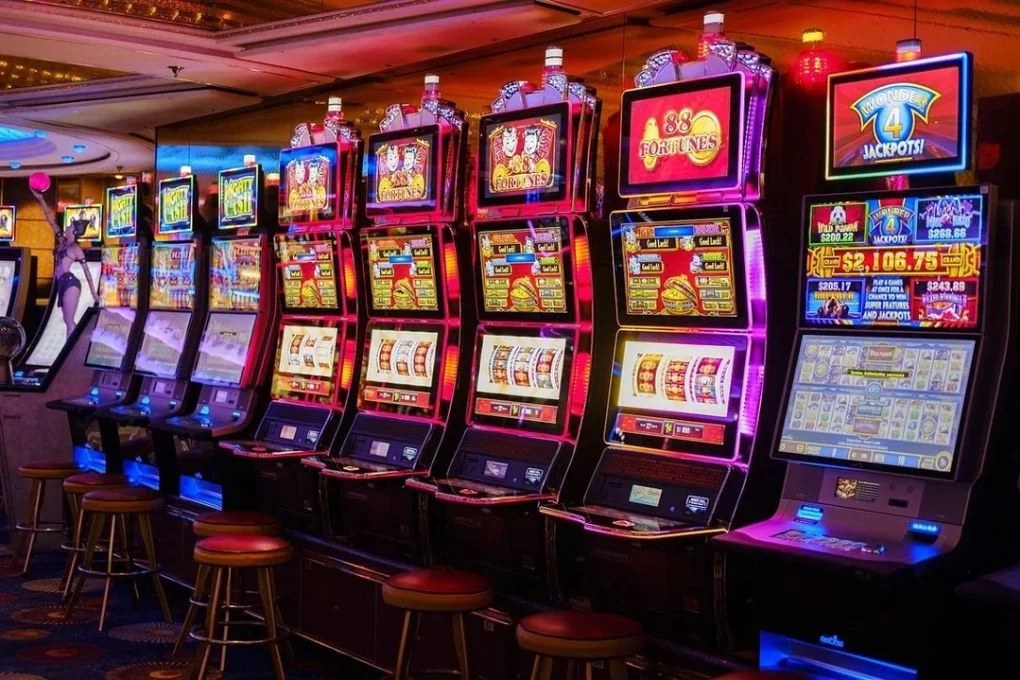
Slot games in 2026 are no longer just about spinning reels and hoping for luck. The genre has quietly but radically reinvented itself, blending technology, psychology, and entertainment into something far more immersive than what players experienced even three years ago. What used to be a casual pastime has evolved into a full-fledged digital experience designed to keep players engaged, challenged, and entertained on multiple levels.
From Reels to Experiences
In 2026, modern slot games feel closer to interactive worlds than traditional casino machines. Developers have moved away from static themes and repetitive animations. Instead, slots now feature evolving storylines, character progression, and environment changes that respond to player behavior. A session no longer feels isolated; each spin contributes to a broader narrative or long-term goal.
This shift is deliberate. Players today expect depth. They want a sense of progress, not just random outcomes. Slot games now deliver this through chapter-based gameplay, unlockable maps, and milestone events that reward consistency rather than blind repetition.
Smarter Gameplay, Not Just Faster Spins
Artificial intelligence plays a major role in how slots function in 2026. Games dynamically adapt volatility, bonus frequency, and visual pacing based on how players interact with them. This doesn’t mean outcomes are manipulated, but the presentation is smarter. Players who prefer quick sessions get streamlined experiences, while long-session players are offered layered mechanics and complex bonus chains.
This personalization has changed how people perceive slot games. They no longer feel “one-size-fits-all.” Instead, each player experiences a version of the game that aligns with their habits and preferences, making engagement feel intentional rather than accidental.
Skill Elements Are No Longer Optional
One of the biggest changes in 2026 is the normalization of skill-influenced slots. While chance remains the core foundation, many games now incorporate decision points: choosing bonus paths, managing multipliers, or timing interactive features. These mechanics don’t eliminate randomness, but they give players a sense of control and responsibility.
This hybrid model has attracted a new audience—players who previously dismissed slots as mindless. In 2026, slot games reward attention, pattern recognition, and strategic risk-taking, blurring the line between classic slots and casual video games.
Visuals That Compete with AAA Games
Graphically, slot games in 2026 are on a different level. Real-time lighting, cinematic transitions, and ultra-smooth animations are now standard. Many games are built using the same engines found in mainstream gaming, allowing for console-quality visuals on mobile devices.
Sound design has also matured. Adaptive music reacts to wins, near-misses, and bonus triggers, subtly shaping emotional responses without feeling intrusive. The result is an experience that feels polished, intentional, and premium.
Community and Social Layers
Slots in 2026 are no longer solitary experiences. Social features have become deeply integrated, including shared jackpots, cooperative challenges, seasonal leaderboards, and live events. Players can participate anonymously or socially, depending on preference, but the option to feel part of something bigger is always there.
This sense of community has extended game lifespans dramatically. Players return not just for rewards, but to participate in time-limited events and collective goals that create urgency and excitement.
The Future Is Already Here
What defines slot games in 2026 is confidence. The industry no longer relies solely on nostalgia or flashy promises. Instead, it focuses on retention through quality, innovation, and respect for player intelligence. Slots have grown up—and so have the people who play them.
In 2026, slot games are no longer just games of chance. They are living systems, designed to evolve, adapt, and entertain in ways that were unimaginable just a few years ago. And judging by the pace of innovation, this transformation is only getting started.