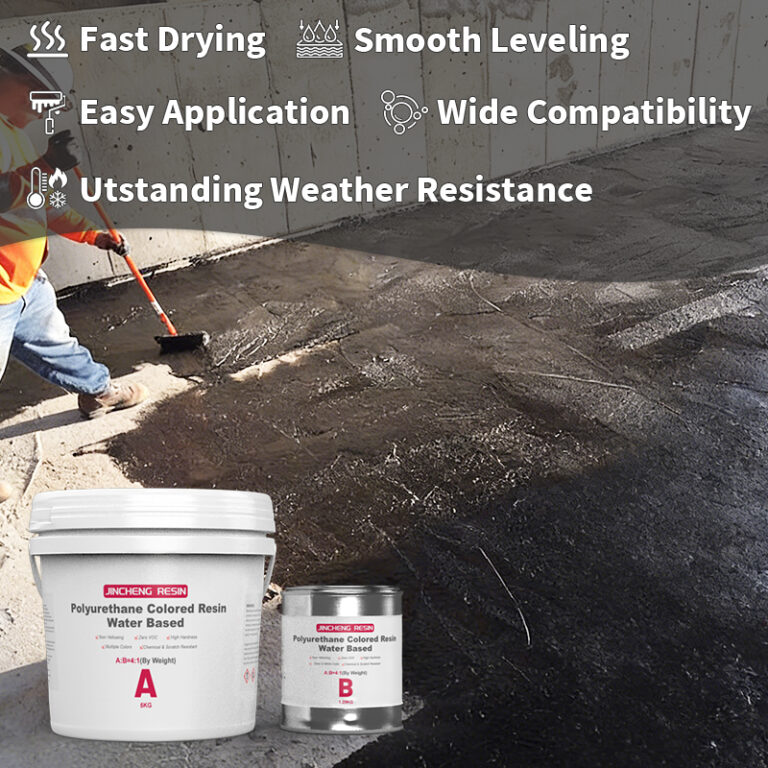
When selecting a durable, high-performance finish for surfaces subject to heavy wear, polyurethane colored paint stands out as one of the most versatile solutions available. Combining superior chemical resistance, exceptional toughness, and a wide array of vibrant aesthetic options, colored polyurethane coatings are widely utilized across industrial, commercial, and residential environments. This comprehensive guide explores the unique properties, key advantages, application methods, and top uses of polyurethane colored paint to help you decide if it is the right choice for your next project.
What Is Polyurethane Colored Paint?
Polyurethane colored paint is a synthetic resin coating formulated by reacting polyols with polyisocyanates, integrated with color pigments to provide both structural protection and visual appeal. Unlike standard acrylic or oil-based paints that dry primarily through solvent evaporation, polyurethane paints undergo a chemical reaction that creates a tightly cross-linked polymer network.
This complex molecular structure forms a non-porous, hard, and resilient film over the substrate. By adding high-grade color pigments directly into the polyurethane binder, manufacturers produce a single product that delivers rich, opaque color alongside elite surface protection, eliminating the need for a separate colored base layer and clear topcoat in many applications.
Key Benefits of Polyurethane Colored Paints
The widespread popularity of colored polyurethane coatings across diverse industries is driven by several distinct performance advantages over conventional paint systems:
- Exceptional Durability and Abrasion Resistance: Polyurethane creates an extremely tough finish that resists scratches, impacts, gouges, and heavy foot or vehicle traffic.
- Chemical and Solvent Resistance: The cross-linked polymer barrier resists damage from oil, fuel, household cleaning agents, mild acids, alkalis, and moisture.
- Outstanding UV Stability: High-quality aliphatic polyurethane colored paints maintain their hue, sheen, and color vibrancy under direct sunlight without yellowing or chalking.
- Superior Adhesion: These coatings bond strongly to a wide range of properly prepared surfaces, including concrete, wood, metal, fiberglass, and plastics.
- Flexible Elasticity: Despite its hardness, polyurethane retains sufficient elasticity to expand and contract with environmental temperature fluctuations without cracking or peeling.
- Hygienic and Easy to Clean: The dense, non-porous surface prevents moisture intrusion, dirt accumulation, and bacterial growth, making it simple to wash and sanitize.
Understanding One-Part vs. Two-Part Polyurethane Paint Systems
Polyurethane colored paints generally fall into two primary categories based on their chemistry and curing mechanism: 1K (one-component) and 2K (two-component) systems.
One-Component (1K) Polyurethane Paint
One-part polyurethane paints are pre-mixed and cure by reacting with ambient moisture in the air or through solvent evaporation. They offer high convenience since they require no complex mixing ratios or pot-life monitoring. While easier to apply for DIY enthusiasts and general maintenance projects, 1K polyurethanes typically offer lower chemical and abrasion resistance compared to two-part formulations.
Two-Component (2K) Polyurethane Paint
Two-part polyurethane systems consist of a pigmented base resin (Part A) and a hardener or activator (Part B). When mixed together in specific ratios prior to application, a rapid chemical cross-linking reaction takes place. 2K polyurethane colored paint provides the maximum possible durability, chemical immunity, and weather resistance, making it the industry standard for professional marine, automotive, commercial flooring, and industrial equipment coatings.
Main Applications of Colored Polyurethane Paint
Because of its adaptable chemistry and rugged performance, polyurethane colored paint is employed in numerous settings where aesthetics and longevity must go hand-in-hand.
Industrial and Commercial Flooring
In facilities such as manufacturing plants, auto repair shops, warehouses, aircraft hangars, and commercial kitchens, floors face relentless abuse. Colored polyurethane floor coatings provide a smooth, seamless surface capable of enduring heavy forklift traffic, dropped tools, and harsh chemical spills while offering safety marking opportunities through color coding.
Marine and Boating Equipment
Marine environments are exceptionally harsh due to constant exposure to salt water, high humidity, and intense ultraviolet light. Polyurethane colored paints are frequently applied to boat hulls, decks, and topsides above the waterline to prevent water intrusion, resist marine environments, and deliver a long-lasting, high-gloss finish that retains its original shade for years.
Architectural and Exterior Metals
Colored polyurethane paints are widely used as topcoats for structural steel, architectural metal panels, bridges, exterior doors, and window frames. The coating acts as a protective shield against atmospheric corrosion, rust, acid rain, and solar degradation, keeping structural elements looking freshly painted for extended service intervals.
Cabinetry and Woodworking
In interior design, high-end kitchen cabinets, furniture, and custom woodwork often feature colored polyurethane finishes. These coatings offer a smooth, glass-like colored finish that withstands heat, grease, water exposure, and daily handling far better than traditional interior wood stains or standard wall latex paints.
Step-by-Step Application Guide for Best Results
Achieving a flawless, long-lasting finish with polyurethane colored paint requires meticulous surface preparation and proper application technique.
Surface Preparation
Surface preparation is the single most critical step in applying polyurethane paint. Any surface contaminants like dirt, oil, wax, rust, or loose existing paint will compromise adhesion.
- Cleaning: Degrease and thoroughly clean the substrate using an appropriate cleaner or solvent.
- Sanding: Abrade the surface with fine-grit sandpaper (typically 180 to 320 grit) to create a mechanical profile for bonding.
- Priming: Apply a compatible primer—such as an epoxy primer for metals and concrete or a high-build primer for wood—to ensure optimal adhesion and uniform color intensity.
Mixing and Pot Life Management
For two-component (2K) polyurethane systems, precise mixing is vital. Measure Part A and Part B exactly according to the manufacturer’s specified volume or weight ratios. Stir the mixture thoroughly for several minutes to ensure even distribution of the hardener. Keep track of the product’s “pot life”—the time window during which the mixed liquid remains workable before curing renders it unusable.
Application Techniques
Polyurethane colored paint can be applied using sprayers, rollers, or brushes depending on the surface size and desired finish quality:
- HVLP Spraying: Delivers the smoothest, factory-grade finish with minimal orange peel texture, making it ideal for cabinets, vehicles, and metal fixtures.
- Rolling: Highly effective for large flat surfaces such as floors. Using a solvent-resistant, short-nap roller helps achieve an even layer without leaving bubbles.
- Brushing: Best suited for small trim work, touch-ups, or intricate details where spraying is impractical.
Apply two to three thin, uniform coats rather than one heavy coat to prevent runs, sags, or trapped solvent bubbles. Allow sufficient drying time between coats as recommended by the technical data sheet.
Maintenance and Care Tips
Maintaining surfaces coated with polyurethane colored paint is straightforward due to their inherent stain resistance. Regular sweeping or vacuuming removes abrasive grit that could dull the shine over time. Clean the surface using mild detergent dissolved in warm water; avoid abrasive scrubbing pads or aggressive unapproved solvents that could scratch or degrade the finish gloss over extended periods.