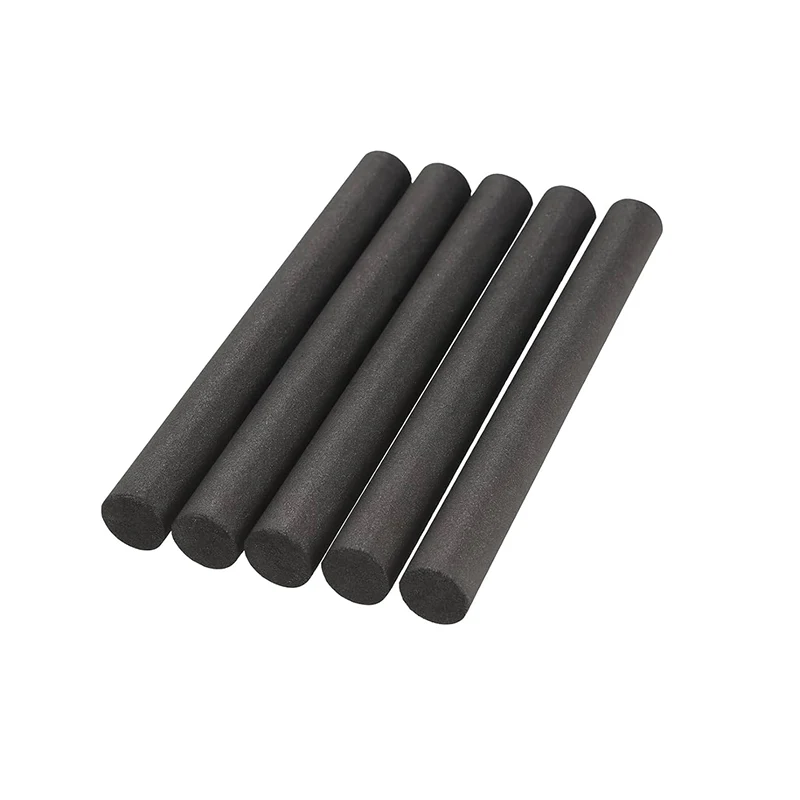
A graphite stirring rod is an essential tool in metallurgy, chemistry, and foundry operations where extreme temperatures and corrosive environments ruin standard materials. Manufactured from high-purity carbon, these rods provide unmatched thermal stability, chemical inertness, and structural strength under conditions that would easily melt or deform metal and glass alternatives.
What Is a Graphite Stirring Rod
A graphite stirring rod is a cylindrical tool crafted from synthetic or natural graphite, designed specifically for mixing liquids, molten metals, and chemical reagents at elevated temperatures. Unlike glass stir rods that shatter under severe thermal shock, or metallic rods that react with and contaminate molten mixtures, graphite rods retain their solid structure without melting, warping, or reacting with most liquid substances.
Key Properties of Graphite Stirring Rods
- Exceptional Thermal Resistance: Capable of enduring temperatures well above 2000°C in inert atmospheres without melting or losing integrity.
- Thermal Shock Resistance: Exhibits rapid heat distribution and a low coefficient of thermal expansion, preventing cracking during sudden temperature changes.
- Chemical Inertness: Non-reactive with most molten non-ferrous metals, precious metals, slags, and corrosive chemicals.
- Non-Wetting Surface: Molten materials do not readily stick to the smooth carbon surface, reducing material waste and enabling easy cleaning.
- Electrical and Thermal Conductivity: Efficiently transfers heat while serving as an electrical conductor when required in specialized electro-chemical processes.
Primary Industrial Applications
- Precious Metal Refining: Used by jewelers and refiners to agitate molten gold, silver, platinum, and palladium to ensure complete alloy blending and flux distribution.
- Foundry and Metal Casting: Essential for stirring liquid aluminum, copper, brass, and bronze to achieve uniform melt temperatures and remove impurities before pouring.
- Chemical Synthesis: Ideal for high-temperature chemical reactions involving aggressive acid solutions or alkaline reagents that corrode glass and steel.
- Glass and Ceramic Manufacturing: Employed to stir viscous glass batches and homogenize specialized optical glass formulations without introducing metallic discoloration.
Advantages Over Alternative Materials
| Material | Max Temp Stability | Chemical Reactivity | Thermal Shock Resistance |
| Graphite | 2000°C+ (Inert) | Extremely Low | Outstanding |
| Borosilicate Glass | ~500°C | Low | Moderate |
| Stainless Steel | ~1100°C | High (at melt) | High |
| Quartz | ~1200°C | Low | High |
Best Practices for Handling and Maintenance
Proper care extends the service life of graphite stirring rods and maintains purity standards across production runs.
- Pre-Heating Before Use: Gradually warm the rod prior to submerging it into molten liquids to eliminate surface moisture and minimize thermal strain.
- Atmospheric Protection: Limit exposure to open oxygen at temperatures exceeding 400°C to prevent surface oxidation and premature thinning of the rod.
- Dedicated Usage: Assign specific rods to individual metal types or chemical formulations to eliminate cross-contamination risks.
- Dry Storage: Keep graphite rods in a dry, humidity-controlled environment to prevent moisture absorption prior to heating cycles.